
Several encampment recommendations have been made by the Encampment Advisory Committee in Chatham-Kent (CK) to strengthen housing and homelessness initiatives.
The current Committee's final report, going to CK Council on Monday night, includes immediate housing and shelter actions, governance and oversight recommendations, funding and strategic planning, accountability and performance measurement, bylaw and enforcement improvements, standards and public safety options, and potential locations for encampments.
The Committee is asking Council to receive the recommendations and direct Administration to review and evaluate them.
The recommendations include establishing a coordinated Housing Resolution Team responsible for connecting people experiencing homelessness to permanent, transitional or supportive housing and establishing a municipally-operated and funded emergency shelter away from residential neighbourhoods where possible to provide a safe, appropriate place for individuals experiencing homelessness while they work toward more permanent housing solutions.
Other recommendations include developing a homelessness and encampment reduction strategy to eliminate the need for permanent encampments; identifying existing municipal properties that could be rapidly acquired or converted into housing; and making public consultation a cornerstone of the process to provide input before locations are selected.
"Committee members acknowledge that the needs connected to homelessness continue to grow and as such acknowledge the need for a plan that includes actionable timelines to be completed immediately," the report stated.
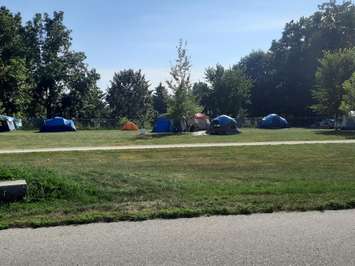
The Committee was established in March after the public complained about the downtown Chatham homeless encampment moving to the Public Utilities Commission (PUC) property on Grand Avenue East on July 14, 2025.
PUC neighbours complained about the sudden arrival of the encampment without prior notification or consultation and raised significant public safety and security concerns about the move.
Administration is also being asked to report back to Council no later than May 31, 2027, with an analysis of the recommendations; implementation options, priorities, and timelines; estimated operating and capital costs; staffing and resource requirements; and any policy or budget considerations requiring Council direction.