
The curator/supervisor of the Oil Museum of Canada says the Ontario government's recent investment to protect communities from old and inactive oil and gas wells has created a learning opportunity.
Meagan Sinclair said it all started in 1858, when James Miller Williams dug his first well.
"The first commercial oil well in North America was dug right here in Lambton County in Oil Springs," said Sinclair. "We preserved the site of that here at the Oil Museum of Canada. That just initiated a pretty big boom in that early oil industry and so there were hundreds, if not thousands, of wells that were dug in Lambton County and soon afterwards across southern Ontario."
The province has records for approximately 27,000 oil and gas wells, located primarily on private land. Of these, approximately 3,500 are active wells currently producing oil, gas or salt. The rest are inactive, old wells or legacy wells.
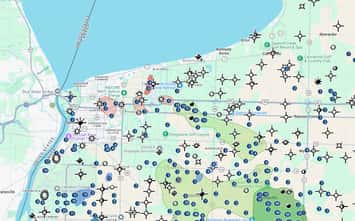
"There are resources available through the Oil, Gas and Salt Resource Library," she said. "They have a great map of all of the known petroleum wells in Ontario, but there are lots that remain unknown."
Sinclair said well locations, and their proximity to each other, weren't regulated back then.
"Until 1919, there were no regulations about having to register the locations of wells with the province, so people were coming in and doing some speculating, putting wells down... you either find something or you don't find something... or you pull all of the oil well that is profitable and then you just sort of carry on. So, there are a lot of these abandoned oil wells that are remaining unrecorded," said Sinclair.
While the wells could have been covered with boards at one time, it's not always obvious where they are now. Sinclair said grass discoloration, water bubbling, or a smell may tip you off to something beneath the surface now.
"There's lots of risks that the Ministry of Natural Resources has identified regarding these oil and gas wells," said Sinclair. "There could be some ground water contamination, and then of course these wells can release chemicals, like hydrogen sulfide and methane, and if you get them in high enough quantities they can be quite dangerous."
Sinclair said an opportunity to spread knowledge and get more people aware of what to look for, and the dangers, is never a bad thing.