

The Windsor-Essex County Health Unit (WECHU) has urged residents to think twice before approaching wild animals.
The board of health received a report at its September meeting last week, indicating a sharp increase in reported bites and injuries caused by animals.
While dogs and cats make up a large majority of these injuries, the health unit has also reported scratches and bites from raccoons, bats, skunks, and other critters.
Medical Officer of Health Dr. Mehdi Aloosh told WindsorNewsToday.ca that these injuries pose a real danger.
"Humans are exposed to animals who have the potential to carry rabies," said Aloosh. "The majority of them are dogs, then cats, and this is followed by bats and raccoons."
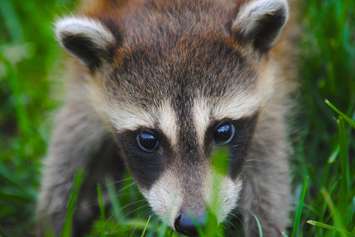
According to the report, the health unit reported 660 injuries so far this year caused by dogs and cats, up from 615 in 2025. The statistics are more telling when it comes to wild animals. Bat incidents rose from 28 last year to 46 so far in 2026. For raccoons, incidents jumped threefold from seven to 24 year to year.
Many incidents were reported at Windsor's Ojibway Nature Centre. Aloosh said there was a likely common factor.
"Our understanding was that there was a specific raccoon in that region that did have friendly behaviour toward humans," said Aloosh. "That raccoon wasn't scared of people, so it was getting close to people."
The health unit has urged people that education is key to avoiding injuries or exposure to rabies, which is fatal.
Bites from dogs or cats may be prevented by keeping them leashed outdoors, not teasing them or getting too close, and not disturbing them while eating. The same principles apply to raccoons, squirrels, skunks, and others.
Aloosh said if you are injured by any animal, prompt attention is the first and best line of defence against infection.
"The first action is washing that wound with plenty of water and soap. That's the best step to prevent rabies and many other diseases. Then, seek medical attention," said Aloosh.
Complete information on how to avoid rabies and what to do if you are injured by an animal can be found by consulting your health care provider or visiting the health unit's official website.