
The Canadian government is throwing a lifeline to farmers across the country who were facing roadblocks in bringing in foreign workers during the COVID-19 pandemic.
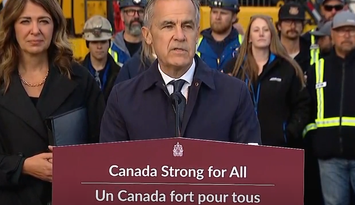
On Monday afternoon, Agriculture and Agri-Food Minister Marie-Claude Bibeau announced $50 million in funding to help make it easier for farmers and food processing employers to follow the mandatory 14-day isolation period that's required of all workers arriving from abroad.
"The men and women who work in our food supply chain are essential to ensuring Canadians have access to a variety of high-quality food at a reasonable price," said Bibeau. "In many regions of the country the production of food, particularly fresh fruits and vegetables, relies on the contribution of experienced temporary foreign workers. Right from planting season to harvest, we count on them to fill our shelves."
An exemption has been granted to allow temporary foreign workers and foreign workers with work and student visas into Canada. Any workers entering the country must abide by the 14 day isolation period.
According to Bibeau, the newly announced federal support will provide employers with $1,500 per employee to help put the isolation measures in place. Bibeau said the program will be made available as long as the Quarantine Act is being enforced.
"Government authorities will follow up regularly and employers or workers who do not comply will face severe sanctions and fines," she said.
The announcement will come as welcome news to farmers across Canada who have fallen behind schedule due to border restrictions and isolation requirements when trying to bring in temporary foreign labour.
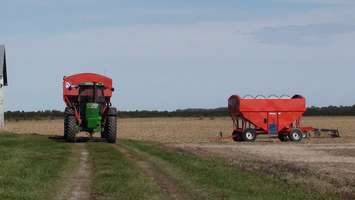
This includes John Jaques, an asparagus farmer who operates Sunshine Farms in Thamesville. In a typical year, Jaques begins bringing in offshore workers in the third week of April.
However, besides dealing with challenges at the border, Jaques said one of the biggest obstacles to overcome would be the 14-day quarantine period for workers.
"We don't want to bring the workers in too early," he explained. "We have to tell the folks that arrange it when we want our workers to arrive. We don't want workers coming in two weeks before they're going to start work on a normal year because they're not happy if they're sitting in the bunkhouse not making any money."
Even if the foreign workers arrive on time, the two week isolation period will push farm operations behind schedule. Jaques said he'll have about half his typical workforce in place by the start of the regular season but added that offshore workers are vital to his businesses.
He added that the farm tries to hire as many Canadians and students as possible but there simply aren't enough interested candidates.
"Harvesting asparagus is a very hard job," he explained. "It's just not something that most Canadians are able to do and most don't want to do it... We hire as many Canadians as we can but we have to supplement them with offshore workers."
According to Jaques, he's been assured that any migrant workers entering the country will be thoroughly screened for COVID-19. Jaques himself will also be following the strict isolation guidelines including making sure workers' beds are six-feet apart and observing workers during their isolation period.
"My sister said this morning that I like challenges and I thrive on dealing with challenges. But I don't think I want any more years with challenges like this one," said Jaques. "We support the local economy. We certainly want to contribute to that. We want to contribute fresh, healthy food to Canadians and hopefully, we're able to do that."