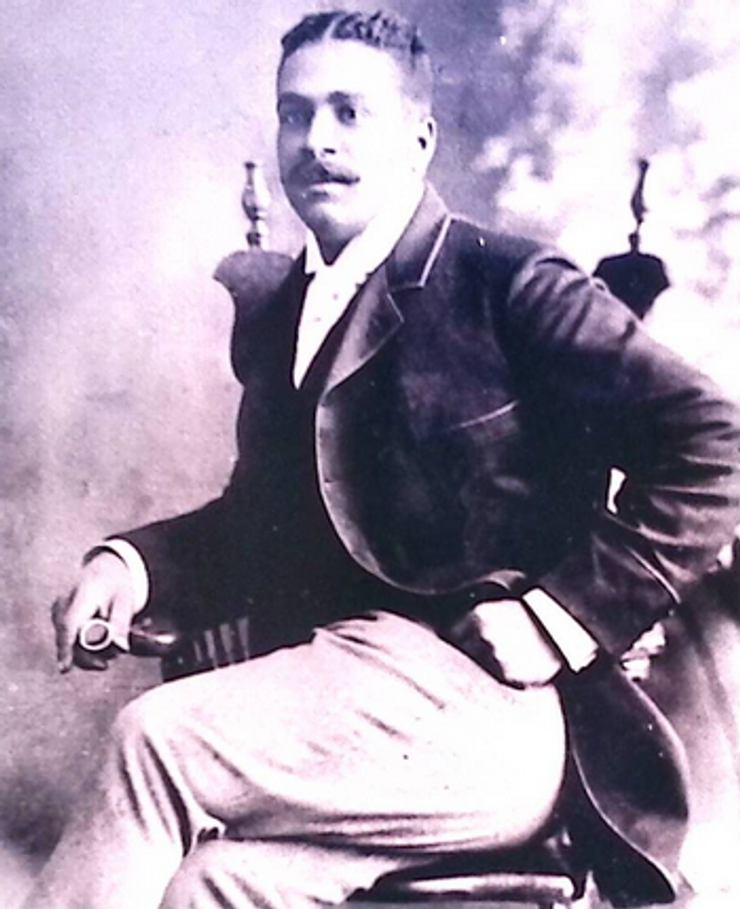

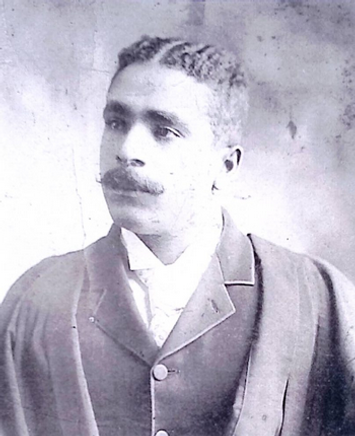
A Chatham-Kent native has been recognized as a person of national historic significance by the Government of Canada.
According to the federal government, Dr. Alfred Schmitz Shadd was born to a prominent African Canadian family in what is now Chatham-Kent, and was a principal in Chatham until he lost his position after supporting a successful campaign for his school’s desegregation.
Shadd moved to present-day Saskatchewan in 1896 to work as a teacher and then returned as a doctor after completing medical studies in Toronto in 1898.
Government officials said Dr. Shadd attended school in Buxton, completed his teaching certification, and taught at several local schools before becoming the principal of the King Street School from at least 1891 until he lost his position in 1893.
He was studying medicine in Toronto in 1896 when he put his education on hold to find paid work as a teacher in Saskatchewan.
His government biography (bio) stated that he faced some hostility at first, but persisted, setting up his classroom at the Agricultural Hall because there was no schoolhouse. Shadd returned to Toronto when the term ended and graduated with honours from Trinity Medical School in 1898.
"Dr. Shadd touched many lives and made a lasting impression as an African Canadian man who became a respected community leader. His unique story illustrates the diversity of early settler society in Saskatchewan, and his community leadership occurred during a time when he would not have been perceived as an equal," noted officials, adding that he was a respected physician and community leader of African descent in what became Saskatchewan.
While in Saskatchewan, he was a doctor, a coroner, an occasional veterinarian, the owner of a drugstore, the publisher and editor of a newspaper, a town councillor, a school trustee, a political candidate in 1902 and 1905, and a founder of the Melfort Agricultural Society and the Lady Minto Hospital.
"At a time when the government was officially discouraging people of African descent from settling on the Prairies, Dr. Shadd chose to make his home in what is now Saskatchewan. He returned to Kinistino and practised medicine, setting up a surgery in his two-room log house and travelling great distances to make house calls in neighbouring towns and First Nations communities," the bio stated.
In 1904, he moved his practice to Melfort, and the following year he set up his practice in the Central Drug Store he built on Burrows Avenue. He also owned several farms in the Carrot River Valley over the years, where he experimented with different crops and raised livestock, the government noted.
The memory of "Doc Shadd”, as he was fondly known, was kept alive by the people he had helped, the children named in his honour, and the Saskatchewan landmarks that now bear his name.
"This designation recognizes Dr. Alfred Schmitz Shadd’s extraordinary contributions to Melfort, Saskatchewan, from 1896 until his death in 1915. As the first documented Black settler in Saskatchewan, Dr. Shadd played an important role in shaping the early growth of this community serving as a teacher, then physician, farmer, entrepreneur, and civic leader," said Doug Chisholm, Melfort and District Museum Board Member and person who nominated Dr. Shadd. "He was actively involved in many of the organizations and institutions that helped build early Melfort, leaving a lasting legacy of leadership and community service. This honour reinforces the importance of celebrating his story as an important part of both local and national history."
Designations of persons, places and events of national historic significance under Parks Canada's National Program of Historical Commemoration honour the richness and diversity of history in Canada.
Monuments Board of Canada and Parks Canada, recognizes significant persons, places, and events that have shaped Canada as one way of helping Canadians connect with their past.