
Students at the University of Windsor are using mosquito season as an opportunity to find an invasive species.
The Tiger Mosquito Citizen Science (TIMO-CS) project is now in its third year.
U of W's Let's Talk Science outreach program is working in conjunction with the Windsor-Essex County Health Unit. The partnership is a supplement to the health unit's existing mosquito monitoring efforts, while giving students an opportunity to help.
"This project is a wonderful example of experiential learning in action," said Michelle Bondy, experiential learning specialist in the U of W School of the Environment. "Our students are contributing to important public health research while helping community members learn about mosquito safety, life cycles and identification."
Students volunteering with the Let's Talk Science program have been conducting outreach with summer camps and in classrooms. Participants learn how to identify mosquitoes, understand their life cycles, and work to protect themselves during mosquito season.
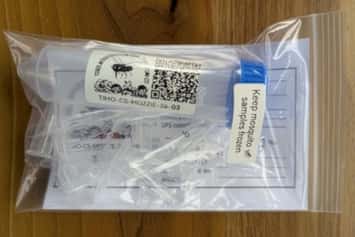
Since the summer of 2024, university students, faculty, and staff have been helping with collection by setting up 3D-printed mosquito traps on their properties.
The tiger mosquito was first discovered in the region in 2016. Since then, researchers have been trying to learn more about where they come from and how they are distributed.
The TIMO-CS project is led by Dr. Victoria Ng of the Public Health Agency of Canada.