

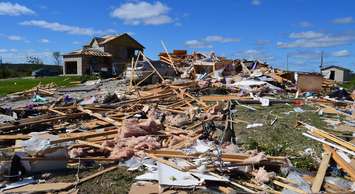
The Northern Tornadoes Project at Western University says there's a lot of evidence to suggest climate change has shifted so-called Tornado Alley east, but whether it's causing more tornadoes in Southwestern Ontario remains a mystery.
"The common thinking was that the bull's eye for tornado occurrence was in South-Central Saskatchewan," said engineering researcher Doctor Connell Miller. "The bull's eye tends to be more in South-Central Manitoba these days with a really, really noticeable increase in tornado activity in the Great Lakes area."
So has the frequency of tornadoes increased, or are we just getting better at finding them?
"We're definitely reporting more here than we were expecting," said Miller. "Whether it is occurring to a higher degree, we need another ten years of data before we're able to give any definitive answer on that."
While satellite technology has improved, more Canadians can report tornadoes with greater ease by uploading images of the damage it leaves behind to social media. That can help scientists confirm a twister and even determine its strength, but it can't provide a historical record or determine if the changing climate is responsible.
"We need to be confident that we truly are capturing every tornado in Canada, so we can get a solid baseline, so we can see how climate change will affect that in the next ten or 20 years," Miller said.
In the meantime, Miller said Environment Canada's tornado warning system is getting better at warning Canadians before one strikes.
"The first year we did it, they didn't get a great review," explains Miller. "They have been improving."
The Northern Tornadoes Project formed in 2017 and almost immediately began questioning long-held assumptions, including how often they occur.