

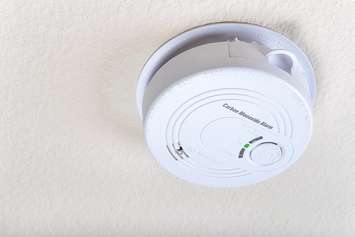
With temperatures dropping and furnaces being fired up across the city, fire department officials are reminding Londoners about the silent killer.
To mark Carbon Monoxide (CO) Awareness Week, which runs from November 1 to 7, the London Fire Department has come out with a list of tips and suggestions to help people avoid the deadly poisoning.
Carbon monoxide is dubbed the "silent killer" because it has no smell or taste.
"Having a working CO alarm in your home is the surest way to know you and your family are protected from exposure and injury from a CO leak,” said Deputy Fire Chief Matt Hepditch. “CO is a colourless, odourless, and tasteless gas making it impossible to detect without a working CO alarm.”
Exposure to carbon monoxide can cause flu-like symptoms including headache, dizziness, drowsiness, nausea, breathlessness, collapse, loss of consciousness, and death. It is the number one cause of preventable poisoning death in North America.
In order to identify a CO leak indoors before it becomes deadly, Hepditch states people should test their CO alarms every month and change the batteries at least once a year. He also advises people with fuel-burning appliances, such as a furnace, gas stove, or fireplace, to have them inspected annually by a trained and certified technician. All chimneys and vents should also be cleaned regularly to ensure they are clear of obstructions and barbecues and gas-powered generators should not be used inside.
If a CO alarm sounds, residents should go outside immediately and call 911.
Since 2014, all homes with fuel-burning appliances or attached garages in Ontario are required to have working CO alarms installed outside of all sleeping areas and on each level of the home. Failure to comply with this law could result in a fine ranging from $360 to $50,000 for individuals and $100,000 for landlords.
“The importance of having a carbon monoxide alarm installed outside all sleeping areas and the role it plays in preventing deaths cannot be stressed enough,” said Ontario Fire Marshal Jon Pegg. “The law is in place to save lives and only a working carbon monoxide alarm will identify the presence of a carbon monoxide leak in your home before it’s too late.”