

Legislation to create a national urban park in west Windsor is a step closer to reality.
Bill C-248, an amendment to the Canada National Parks Act to create the Ojibway National Urban Park, passed the House of Commons (HOC) Standing Committee on the Environment and Sustainable Development on Tuesday.
Windsor West MP Brian Masse, who introduced the private member's bill, said it did not come without a battle, as it passed by a 6-5 vote with all Liberal committee members voting against it. Nevertheless, the clearing of the committee stage is an important step.
"The bill to establish Ojibway National Park is the culmination of years, if not decades, of work by many residents of this region fighting to protect this unique ecosystem in one of the most heavily developed areas in the country," said Masse in a media release. "It has been a real privilege to be the one who brought this bill to the House of Commons. Today [Tuesday] is another step in the legislative process. The appearance as witnesses at committee in support of the bill by Caldwell First Nation, the City of Windsor, Wildlands League, and Friends of Ojibway demonstrated uniform consensus in support of the legislation."
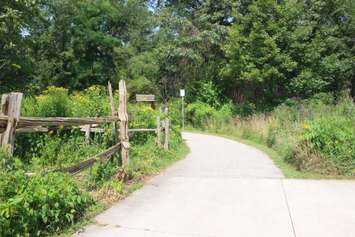
The Ojibway National Urban Park, if passed, will be created in a space in west Windsor that includes the last undeveloped stretch of shoreline on the Detroit River. The Ojibway Park, Spring Garden Natural Area, Black Oak Heritage Park, the Tallgrass Prairie Park, Ojibway Prairie Provincial Nature Reserve, and Ojibway Shores. The latter is a 33-acre greenspace that represents the last undeveloped stretch of shore on the Detroit River.
Bill C-248 is slated for a final third-reading vote, sometime in February 2023. Once it passes, it will receive royal assent and become law.