
An increase in the number of opioid overdoses and concerns about the safety of the illicit drug supply have prompted an emergency meeting of the Windsor Essex Community Opioid and Substance Strategy (WECOSS).
Representatives from 32 community partners under the strategy met on Tuesday.
Eric Nadalin, WECOSS co-chair and the health unit's director of public health programs, told WindsorNewsToday.ca that the meeting was convened to allow the partners to share information about the rise in emergency calls.
"We've heard from, not only the health unit but other partners, that they're going to increase their outreach efforts," said Nadalin. "They're going to change the way that they speak to the people that they're interacting with to get as much information on what specifically they are using."
Recent data from the province and federal government show the overdose crisis in Ontario is being driven by an increasingly toxic and unpredictable drug supply. Testing shows a mix of dangerous substances, including synthetic opioids, benzodiazepines, tranquillizers, and other contaminants that raise the risk of overdose. The Office of the Chief Coroner for Ontario recently reported 224 suspected drug-related deaths in January.
In large cities like Toronto, drug checking services are finding highly contaminated fentanyl, often mixed with veterinary tranquillizers like medetomidine and xylazine.
Nadalin said there are substances in the community that are causing strong reactions and leading to more ambulance calls.
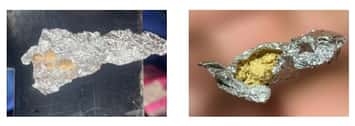
"You would notice a yellowish, brown, more of a chunkier, chalky texture than what most people would think about what illegal fentanyl would look like," said Natalin. "That leads us to believe that potentially, there's something else mixed into that."
The strategy issued an opioid alert earlier this week after 19 opioid-related visits to area emergency departments last week. Of those visits, 16 involved fentanyl.
WECOSS has provided safety tips for those who use opioids, including a suggestion not to use alone, trying a small amount at first, not mixing substances, and having naloxone ready.
If something does not feel right, seek medical assistance or call 911 immediately.
-with files from Mark Brown