

Southwestern Public Health says a bird from the Oxford and Elgin County area tested positive for West Nile Virus (WNV).
A report from Public Health Ontario confirms that this is the first avian case of WNV in the province this year. The bird was deceased at the time it was tested, according to the health unit. It also clarified that dead birds are collected and tested by the Canadian Wildlife Health Cooperative.
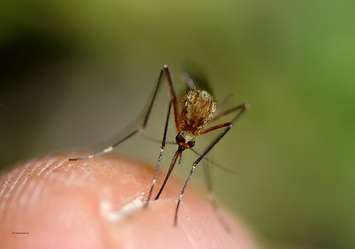
In general, birds who contract WNV get the virus from the bite of an infected mosquito, much like how humans acquire the virus.
“The identification of a bird positive for West Nile Virus serves as our annual reminder to protect ourselves from mosquitoes,” said Manager of Environmental Health Amy Pavletic.
To avoid mosquito bites, Pavletic recommends using bug spray with DEET and wearing light-coloured, long-sleeved shirts and pants when you go outside.
Mosquitos are attracted to standing water, such as bird baths. Pavletic says these and other items that may collect water - such as cans, barrels, pool covers, and clogged drains - should be drained once a week. Bushes and shrubs should also be clear of overgrowth to keep mosquitos at bay.
While WNV can be a deadly virus, Southwestern Public Health says that less than one per cent of infected people develop serious or life-threatening symptoms. In fact, most who are bitten by an infected mosquito show no symptoms at all.
Those who experience moderate symptoms report headaches, body aches, fever, nausea, vomiting, and rashes.
To learn more about WNV and other vector-borne diseases, you can visit Southwestern Public Health's webpage.